Report
Accountancy Sector - 2025 Manpower Survey Report
View Report
Accountancy Sector - 2024 Manpower Update Report
Accountancy Sector - 2023 Manpower Update Report
Accountancy Sector - 2021 Manpower Survey Report
Accountancy Sector - 2020 Manpower Update Report
Accountancy Sector - 2019 Manpower Update Report
Accountancy Sector - 2017 Manpower Survey Report
Accountancy Sector - 2015 Manpower Survey Report
Accountancy Sector - 2013 Manpower Survey Report
Accountancy Sector - 2011 Manpower Survey Report
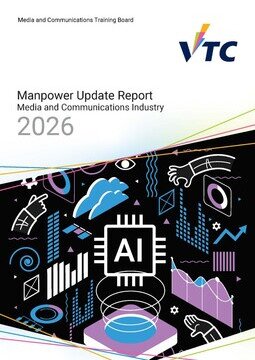
The media and communications industry continues to evolve, driven by the widespread adoption of artificial intelligence (AI), platform-driven content strategies, data-driven decision-making, against the backdrop of closer integration with the Chinese Mainland market and the Greater Bay Area (GBA) . The shifting landscape is reshaping demand for talent, with increasing emphasis on professionals who can combine creativity with technological skills, analytical acumen, and cross-cultural understanding. At the same time, organisations are placing greater emphasis on experiential engagement, ESG considerations, and continuous skills development, future broadening the talent requirements of the industry . This report examines the latest manpower trends and offers recommendations to cultivate future-ready talent and support the industry’s the long-term sustainability.
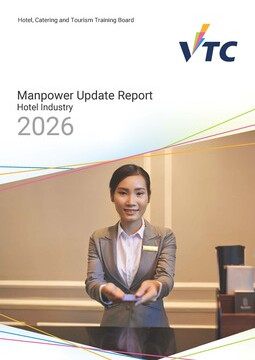
Hong Kong’s hotel industry is navigating a dynamic operating landscape shaped by shifting travel demand, rising service expectations and persistent manpower challenges. While large-scale events and family-oriented travel continue to present new opportunities, labour shortages, an ageing workforce and evolving employee expectations are progressively reshaping the sector’s manpower needs. Meanwhile, the increasing adoption of digital tools and artificial intelligence is transforming workflows, enhancing service delivery and redefining job roles across the industry. In this context, it is increasingly important to strengthen workforce adaptability, leadership capacity and practical skills development in order to sustain service excellence and support the industry’s long-term growth.
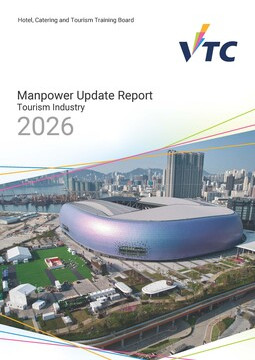
Hong Kong’s tourism industry is undergoing a period of considerable transformation, driven by evolving customer expectations, changing service models and shifting manpower needs. The growing demand for personalised travel experiences, experience-led offerings and digital technologies is redefining the skills needed across tourism businesses. Yet employers still face challenges from manpower shortages, professional licensing and certification requirements, and changing workforce preferences. As the industry capitalises on opportunities from mega events, increasing MICE activities, and government-led tourism initiatives, this update highlights the need to cultivate adaptable, customer-oriented, and digitally capable talent — essential for sustaining long-term competitiveness and driving sustainable growth.
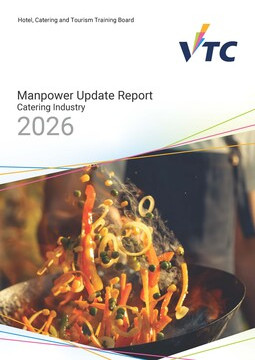
Hong Kong's catering industry is navigating a tough environment. Changing consumer behaviours, cross-boundary consumption, and mounting costs are forcing businesses to rethink how they operate. Leaner teams, evolving dining preferences, and a pressing need for multi-skilled staff have become the new normal. Yet amid these challenges, digital technologies and artificial intelligence are creating real opportunities—streamlining operations, enriching customer experiences, and sparking innovation. These shifts are redefining what the workforce needs to look like, reinforcing the importance of upskilling, enhancing job readiness, and driving long-term, sustainable change across the industry.
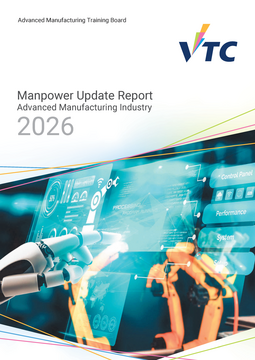
To establish Hong Kong as a leading hub for advanced manufacturing industry, a clear and cohesive strategy must be implemented. This vision depends on building a tailored ecosystem, promoting inclusive economic growth, securing strong government support, and aligning with national strategic priorities. Developing talent across three critical domains is crucial to success: 1) Deep Technical Expertise – Mastery in fields such as artificial intelligence, robotics, and data analytics, including “composite” talent capable of bridging scientific principles with practical engineering. 2) Innovation and Adaptability – The ability to drive research and development and keep pace with rapid technological change. 3) Quality and Compliance – Expertise in quality assurance and global standards to ensure seamless integration into international supply chains. Targeted talent development programmes and cross-sector upskilling initiatives must be closely aligned with these priorities for enabling Hong Kong to secure a competitive position and achieve sustainable, innovation-led economic growth.
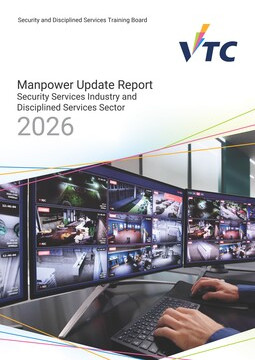
The security services industry is transitioning toward integrated service models that combine traditional guarding with advanced technologies like patrol robots and AI-enabled surveillance . While demand remains strong for security personnel in specialised sectors like data centers and logistics hubs, recruitment is increasingly difficult as 67.2% of security personnel permit holders are aged 51 or above . To maintain service standards, employers have been adopting flexible staffing models and utilising the Enhanced Import Labour Scheme to stabilise operations. However, industry growth is hindered by intense price competition and resident hesitation regarding biometric systems and data privacy . Future resilience depends on upgrading training to include cybersecurity and digital literacy, ensuring the workforce can effectively manage modern, high-security environments while building public trust.
Hong Kong’s fashion and textile industry is moving beyond adaptation to actively redefining its future development trajectory. Global uncertainty, geopolitical shifts and evolving consumer values are reshaping the landscape of the industry, while AI is accelerating new forms of creativity, connectivity, and competitiveness. Supported by deeper integration with the Chinese Mainland and the powerful convergence of AI, e-commerce and sustainable fashion, the industry is progressing towards a sustainability-oriented and value-driven ecosystem. With a competitive, agile, and adaptable talent pool, and enabled by innovation and cross-industry collaboration, the industry is well positioned to transform challenges into opportunities and to further strengthen Hong Kong’s role as a super connector and super value-adder.
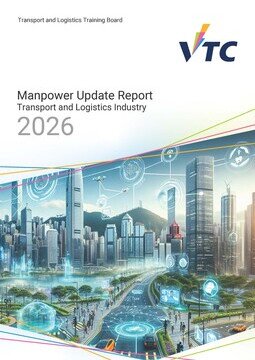
The transport and logistics industry in Hong Kong is undergoing a paradigm shift, propelled by the convergence of AI, low-altitude economy, autonomous driving technologies and ESG. While the industry continues to face persistent manpower shortages in frontline roles, demand is rapidly pivoting toward new, tech-enabled positions. Specialised skills in AI applications, drone operations, autonomous systems, and ESG practices are now critical. This transformation underscores a pressing need to bridge the gap between emerging technologies and local talent supply. In response, concerted efforts should be made to strengthen talent pipelines, modernise training frameworks, and foster greater synergy between policymakers, educators, and industry stakeholders to equip the workforce for the demands of an increasingly technology-driven era.
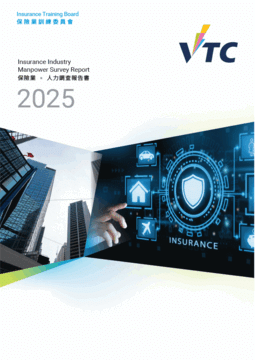
Hong Kong’s insurance industry is undergoing a period of transformation, driven by regulatory developments, technological advancement, and strategic market expansion. The introduction of new accounting and capital regimes is increasing demand for specialised capabilities across actuarial, compliance, and data engineering functions. At the same time, digital innovation, ecosystem development, and demographic trends, most notably an ageing population, are reshaping product design and distribution, while accelerating the need for expertise in data analytics, digital health, and insurance technology. Closer integration with the Greater Bay Area and alignment with national policy priorities further enhance opportunities for cross-border services and the development of high-quality, customer-centric solutions. To sustain Hong Kong’s position as a leading global insurance hub, a strategic approach to workforce planning is essential. Targeted upskilling in digital and analytical competencies, together with the strengthening of the talent pipeline, will be critical to supporting long-term growth, resilience, and innovation in an increasingly complex operating environment.
Hong Kong’s accounting sector is undergoing significant transformation driven by market growth and structural change. New international standards, together with enhanced ESG and anti‑money laundering requirements, are expanding the scope and complexity of the profession, while Hong Kong’s role as a financial gateway and family office hub is increasing demand for cross‑border services. These developments are shifting accountants’ roles from traditional compliance to advisory functions, requiring new skills in data analytics, technology application, and sustainability reporting. However, talent shortages and changing career expectations present challenges. This report analyses key factors shaping the sector’s outlook and provides recommendations for the Government, employers, employees, and education institutions to strengthen talent development and support the profession’s long‑term competitiveness.
Subscribe Now
I agree that industry updates (e.g. new release of report, event) will be sent to me on regular basis through the information provided. I understand I can at any time unsubscribe to this service by emailing to vtc_mps_stat@vtc.edu.hk.
Thanks for your Subscription
Accountancy
Advanced Manufacturing
Automobile
Banking and Finance
Beauty Care and Hairdressing
Building, Civil Engineering and Built Environment
Catering
Electrical and Mechanical Services
Electronics and Telecommunications
Fashion and Textile
Healthcare and Wellness
Hotel
Innovation and Technology
Insurance
Jewellery and Timepiece
Maritime Services
Media and Communications
Merchandise Trading and E-commerce
Print Media and Publishing
Real Estate Services
Retail Trade
Security and Disciplined Services
Tourism
Transport and Logistics
We use cookies to enhance your experience on this website. For more information, please refer to our Privacy Policy.